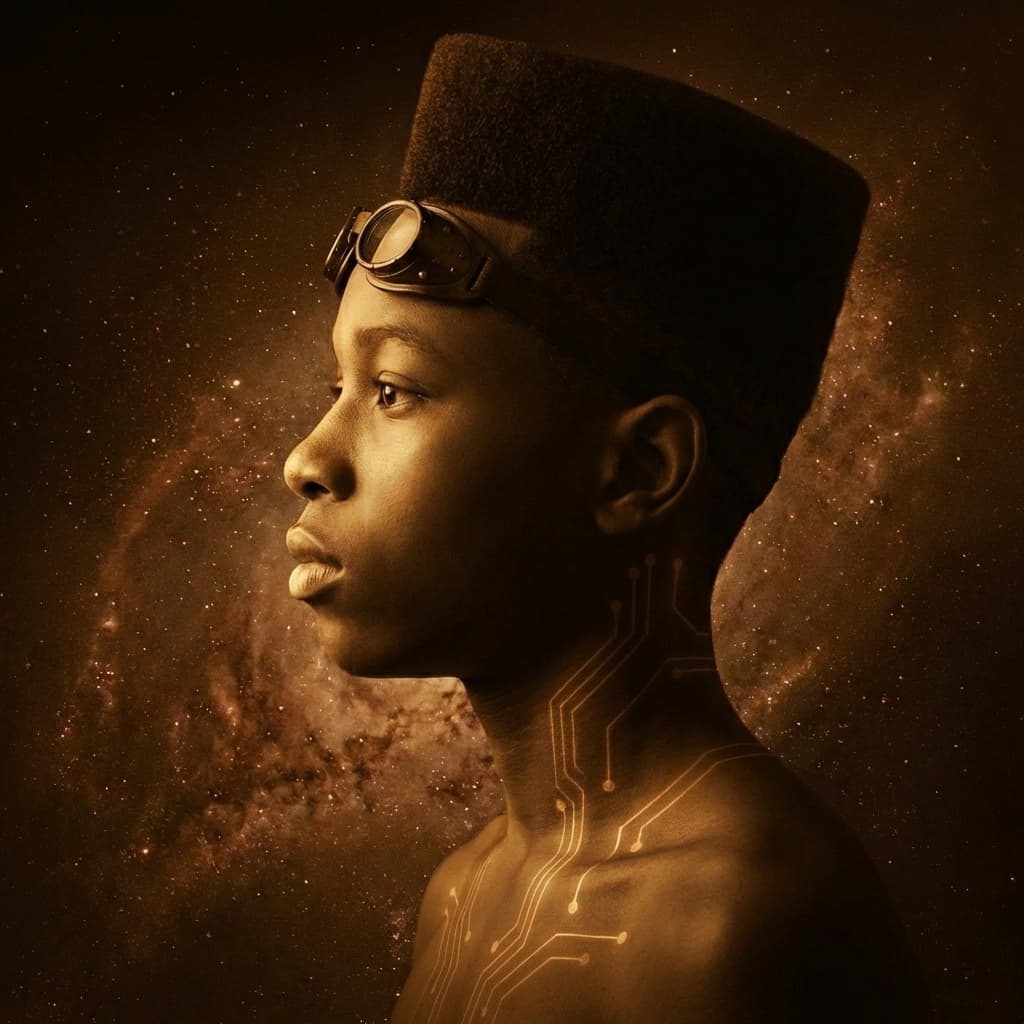
For years, Afolabi has lived without the spark other young disciples discover. His mother is gone. Her pendant has been silent since childhood. In Ajegunle, he has learnt to survive by attracting as little attention as possible, while quietly naming the people and things his city seems ready to forget.
Then the pendant wakes. The Temple binds four Frames into him: Thunder, Tide, Storm and Forge. A boy who has survived by remaining unnoticed becomes an anomaly that institutions, divine forces and dangerous enemies cannot simply ignore.
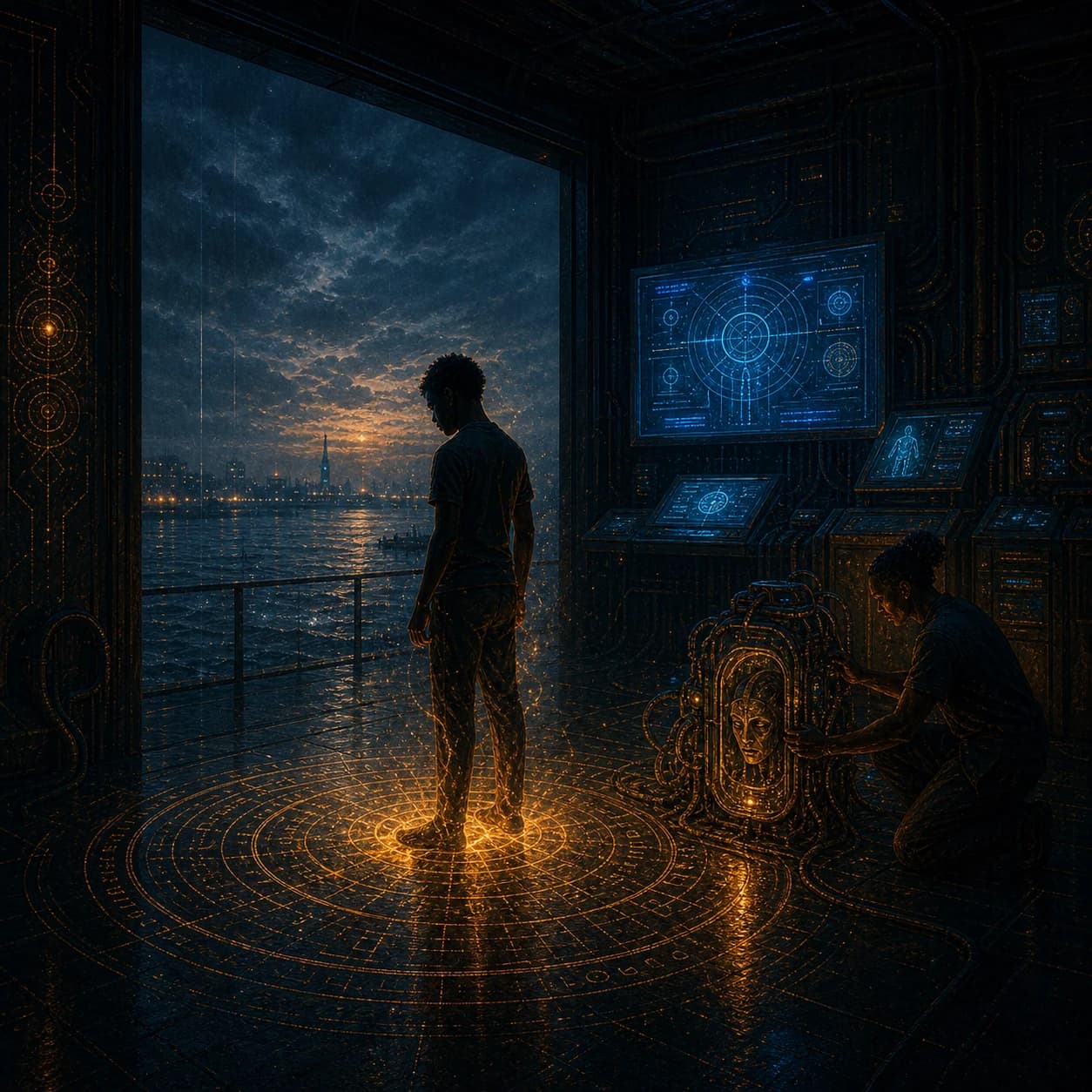
Kehinde and Taiwo are already his adopted family when the story begins. They have training, lives and gifts of their own. Staying beside him is a choice with consequences, not a role assigned by his destiny. The story follows what happens when love, secrecy and an impossible inheritance have to survive in the same body, the same household and the same city.
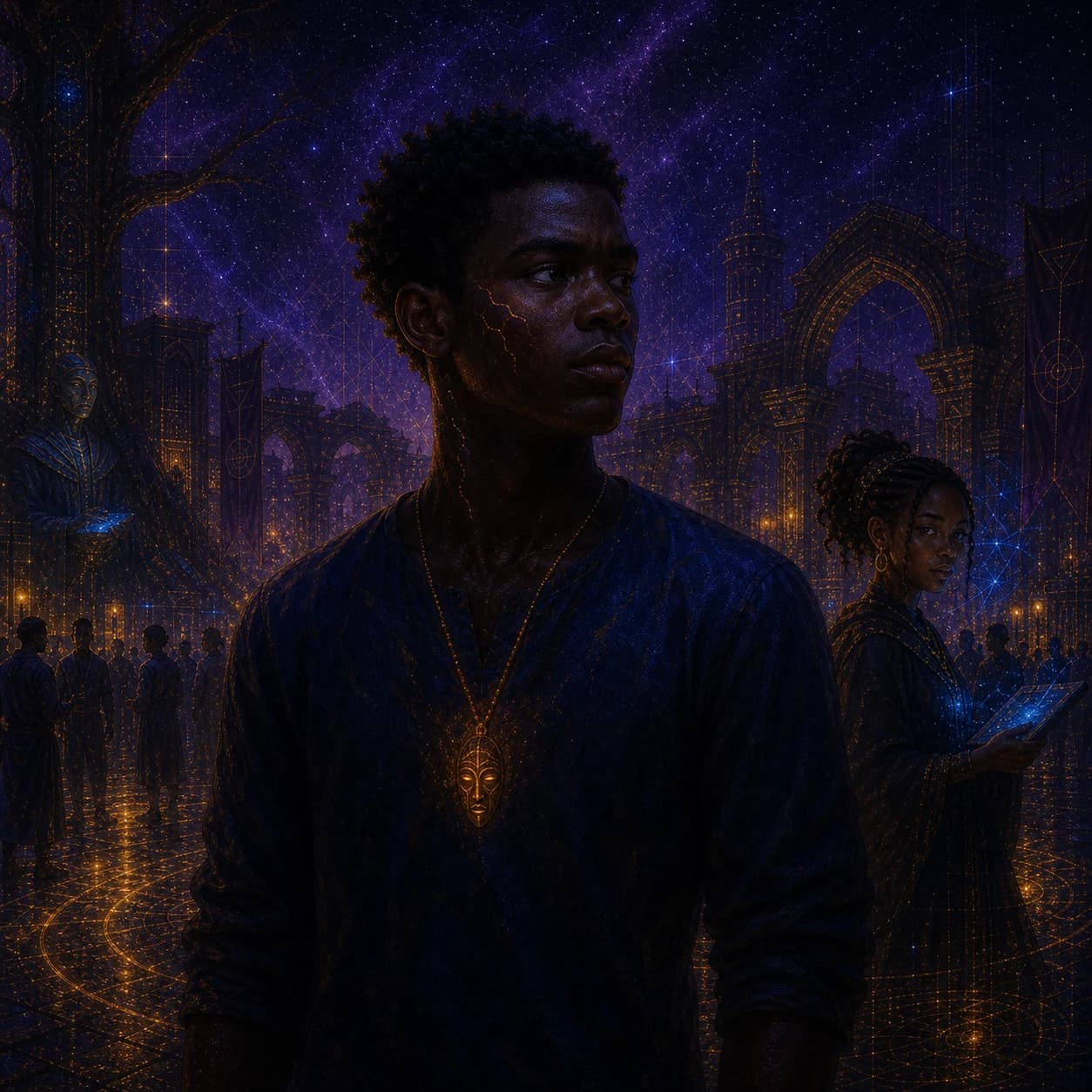
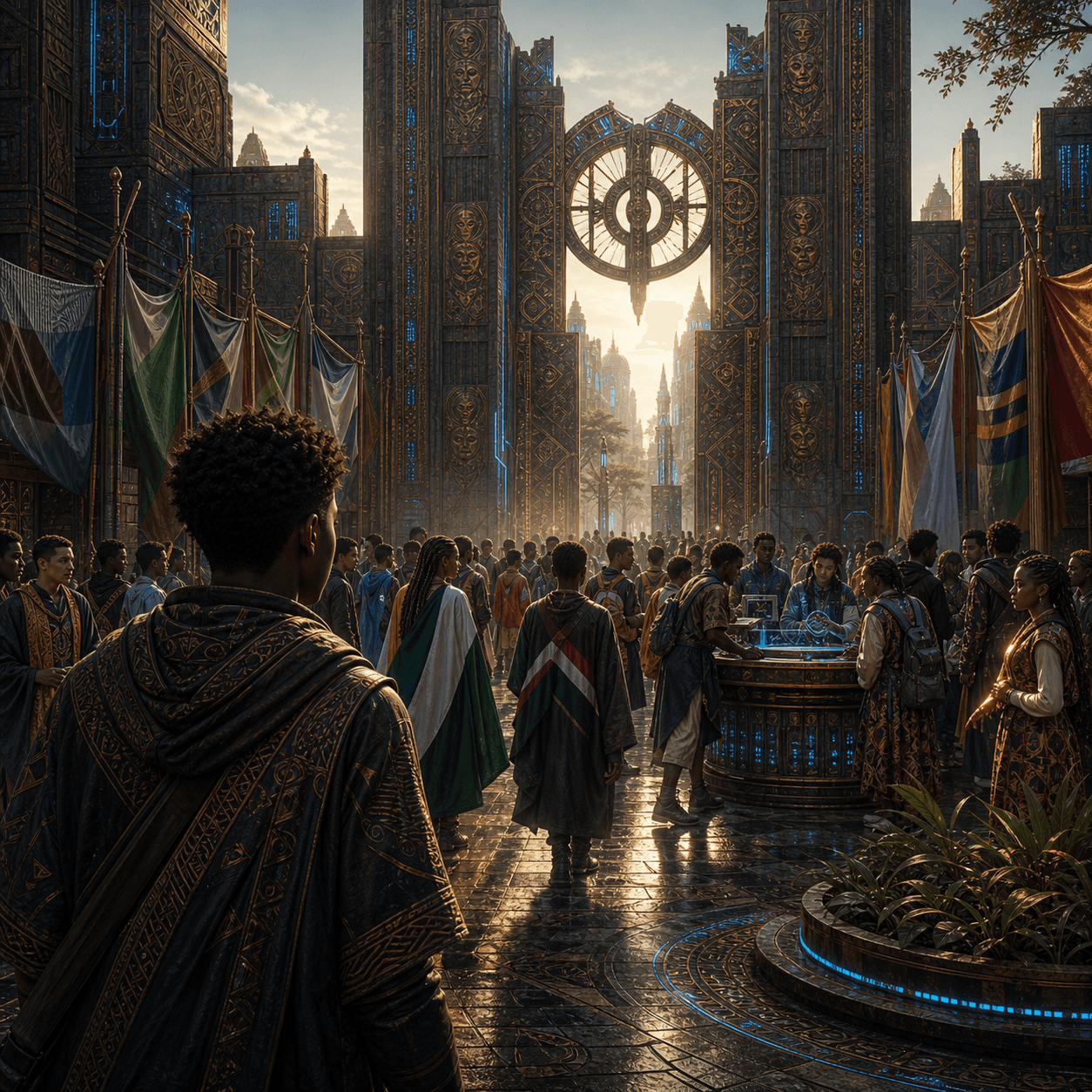
Volume I / Plate 8The Seat of Accord
Who is in it?
Three lives. One family.
Kehinde and Taiwo are Afolabi’s adopted siblings. Their powers differ; their shared history comes first.
The Anomaly
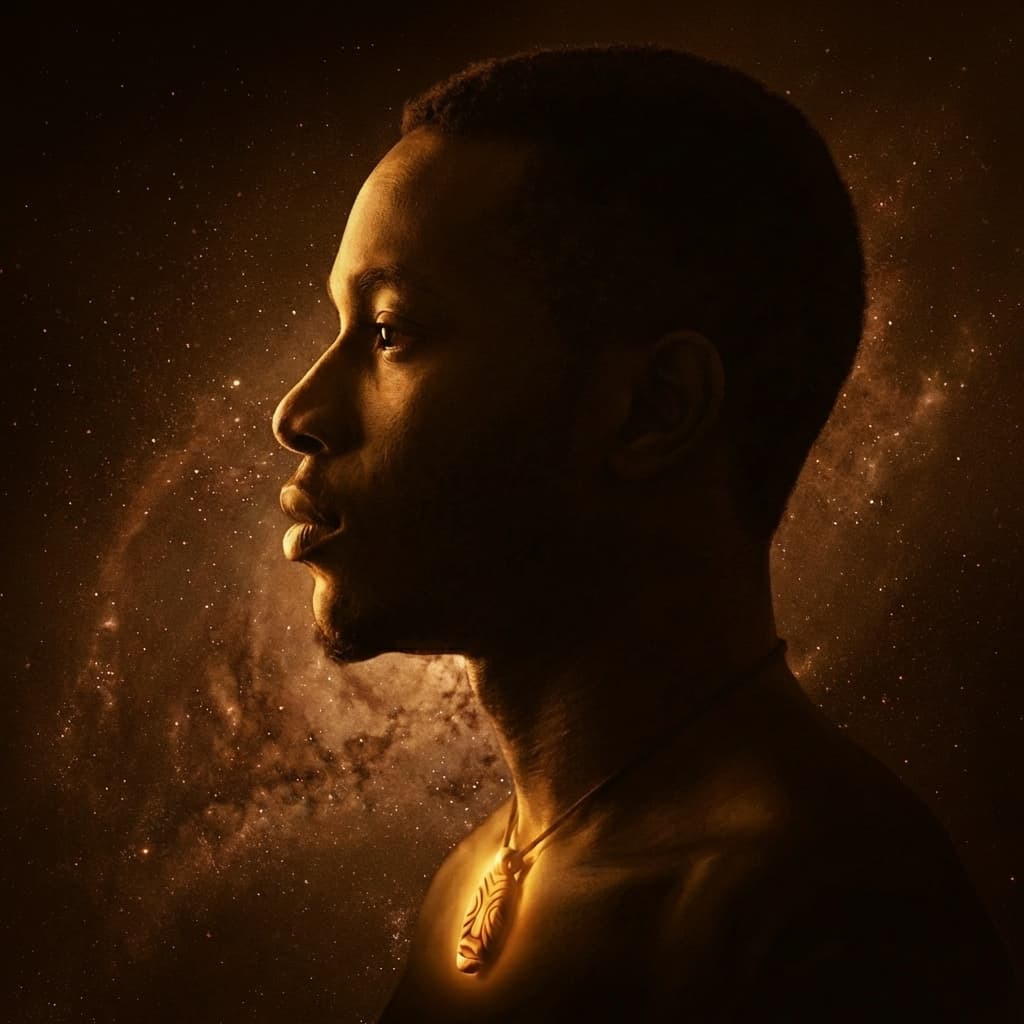
Afolabi
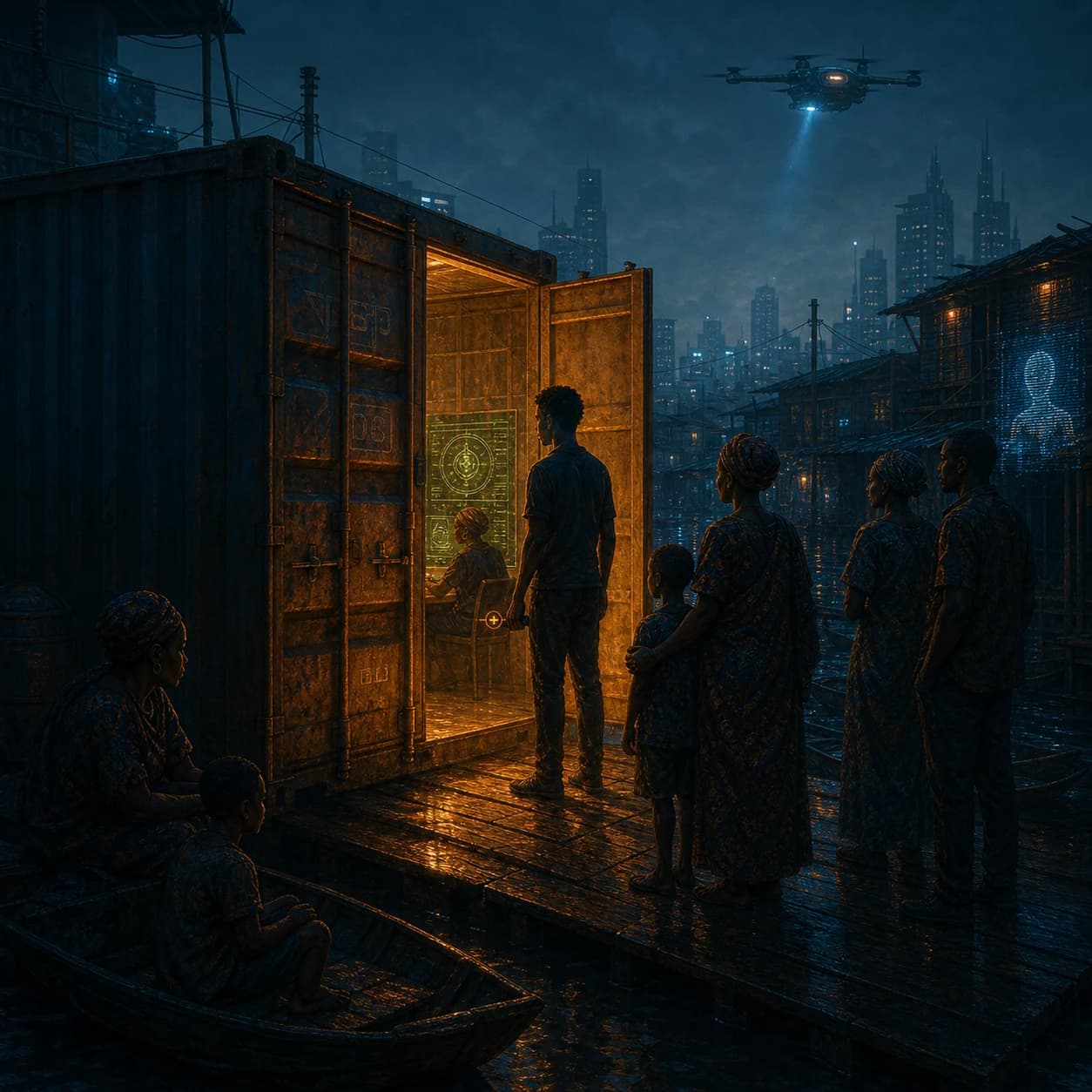
Afolabi is seventeen when the pendant stirs. It is the small wooden weight his mother left him, rubbed smooth against his skin through the years since childhood. His life in Ajegunle has taught him the usefulness of being overlooked. He keeps naming what the city forgets anyway.
What happens to someone who has survived by being unseen when being unseen is no longer possible?
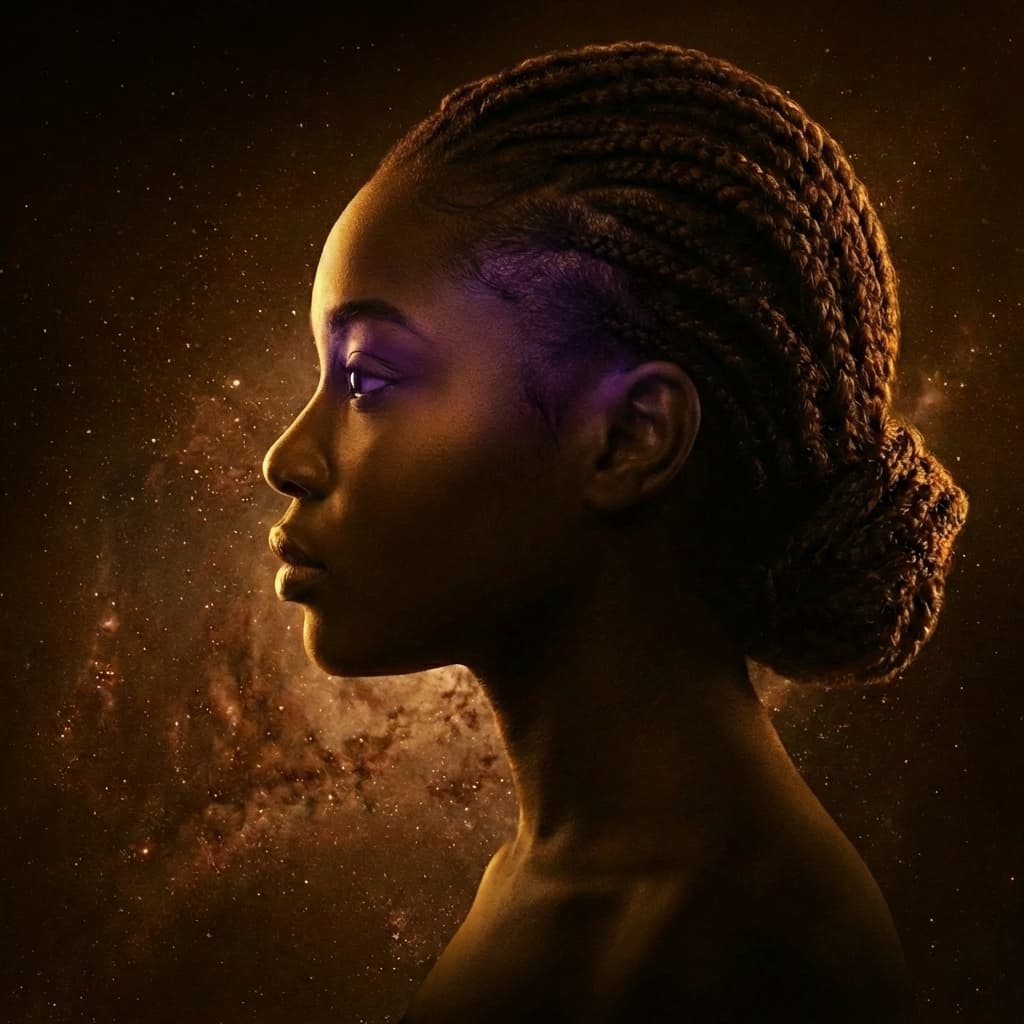
Kehinde is Afolabi's adopted sister and Taiwo's twin. She is a disciple who can read the emotional resonance of objects and hear the fear beneath a person's words. Awakened at fourteen and trained by the Lagos Cohort, she meets the world through sensations other people cannot perceive.
What does it cost to notice the pain everyone else can walk past?
Taiwo can turn a worried exchange into an argument about whose voice sounds better over a bead-com. His technical seriousness lives alongside a very particular sense of humour. Both belong to Afolabi's adopted brother, Kehinde's twin.
How much can you build to protect someone, and where does protection stop being yours to control?
A rival can surprise you with fairness. A gifted observer can refuse the role others expect her to play. A pair of twins can make a frightening room laugh. There are people here to argue with, worry about and come back for.
Aiyé was created to bring African fiction onto the same stage as the Greek, Norse and other pantheons that have shaped global fantasy. The ambition is a saga with the scale, depth and staying power to make its gods, heroes and worlds part of a generation's imagination.
A future that remains our own
Here, Yoruba and wider West African traditions shape a future of living technology, divine power, great cities and impossible battles. Nigerian voices, humour and family life give that scale a human centre. The vision is global without asking the story to become less African.
A world you can grow up with
For readers who know these cultures, Aiyé offers the excitement of seeing familiar roots carry a vast imagined universe. For readers meeting them for the first time, it opens another way into wonder. The hope is that you find people to love and a world to return to, then carry that love into the next generation.
Solar cloth hangs above market stalls. Holo-screens carry news of divine emergencies. Food sellers, siblings on bead-coms and people going about their work share streets with ministry patrols and spiritual danger. The future has arrived without silencing the neighbourhood.
The story widens into a centre of training, sacred memory and institutional power. Disciples arrive with different traditions, ambitions and expectations. Assessments and friendships happen under the eyes of people whose decisions can change a young life.
These are introductions to the novel’s vocabulary, not a guide to religious practice.
Disciple
In the saga, a person who develops and trains divine abilities. It is an in-world role. You do not need a spiritual affiliation to read or enjoy Aiyé.
Frame
The story's bloodline-engineered vessel for carrying an Òrìṣà's power. A Frame and the divine being carried through it are different things.
Àṣẹ
The novel uses this term for divine life-force within its fictional system. The cultural concept has a life beyond the book; the saga's mechanics are its own invention.
MoDA
The fictional Ministry of Divine Affairs: an institution that monitors divine activity and sends response teams when danger breaks through.
Wards
The saga's protective systems. Sacred power, material structures and the people maintaining them are part of how places are guarded.
Àjọ̀gún
Within Aiyé's story, dangerous spiritual forces that kill, corrupt and erase. Their attacks make protecting a city a practical, immediate problem.
They came home to him without being asked; they had been his family before they were the Cohort's. Of everyone in Lagos, only the twins still said his name out loud. The city was learning to forget him; they were not.